

Asda
Seeded Bread


Product Insights
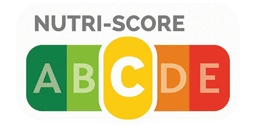
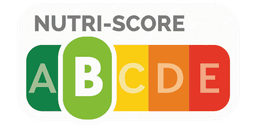
Seeded Bread from Asda is a convenience bakery item featuring fortified wheat flour and a 14% mix of sunflower, flax, millet, poppy and pumpkin seeds. It falls under the cereal and bread group, carries a Nutri-Score of C and is classified as ultra-processed (NOVA 4), with notable additives such as mono- and diacetyl tartaric acid esters of mono- and diglycerides (E472e), calcium propionate (E282) and ascorbic acid (E300). Nutritionally it provides 10 g of protein and only 2.7 g of sugars per 100 g, while fat is 8.4 g (higher than the typical bread average) and salt is modest at 0.82 g, and it contains gluten and soy allergens as well as palm oil which raises sustainability concerns.
Nutrient Levels
Traffic light indicators
Nutritional Values
Values per 100 g/ml
Comparative Analysis
Compared with the average bakery bread, Seeded Bread contains less sugar (2.7 g vs 4.8 g) and salt (0.8 g vs 4.0 g) per 100 g, but its fat content is higher (8.4 g vs 5.5 g) and it delivers slightly more protein (10 g vs 9.9 g).
Ingredients
Fortified Wheat Flour [Wheat Flour, Calcium Carbonate, Iron, Niacin (B3), Thiamin (B1)], Water, Mixed Seeds (14%) [Sunflower Seeds, Golden Linseeds, Brown Linseeds, Millet, Poppy Seeds, Pumpkin Seeds], Wheat Fibre, Yeast, Wheat Protein, Salt, Malted Barley Flour, Spirit Vinegar, Vegetable Oils and Fat [Rapeseed Oil, Palm Fat, Palm Oil], Emulsifier (Mono-and Diacetyl Tartaric Acid Esters of Mono - and Diglycerides of Fatty Acids), Preservative (Calcium Propionate), Soya Flour, Flour Treatment Agent (Ascorbic Acid). Allergy Advice! for allergens, including cereals containing gluten, see ingredients in bold. May also contain rye, oats and spelt.
Unlock What Your Food Doesn't Tell You
Scan this and millions of other food products to discover hidden positive & negative points, scores percentage, additives, allergens, and deeper product insights with the free NutrScan app.
Frequently Asked Questions
Everything you need to know about Seeded Bread.