

Nestlé
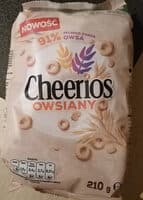
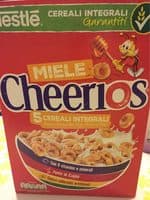
Cheerios


Product Insights
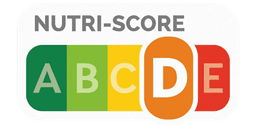
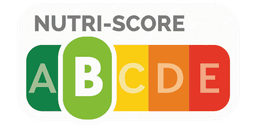
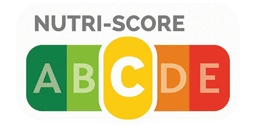
Cheerios is a breakfast cereal belonging to the cereals and potatoes group, specifically marketed as a breakfast-cereal flake. It carries a Nutri-Score of C and is classified in NOVA group 4, reflecting its ultra-processed nature with added sugars, honey, vegetable oil and the antioxidant additive E306. Nutritionally, it provides 374 kcal per 100 g, 9.1 g of fiber and 8.9 g of protein, but its sugar level is high (22 g) and it contains gluten, making it unsuitable for low-sugar or gluten-free diets.
Nutrient Levels
Traffic light indicators
Nutritional Values
Values per 100 g/ml
Comparative Analysis
Compared with the average breakfast cereal, Cheerios has substantially higher sugar (22 g vs 14.1 g) and carbohydrate (71 g vs 63.9 g) contents, while offering lower fat (3.6 g vs 9.0 g), saturated fat (0.6 g vs 2.5 g), salt (0.66 g vs 1.77 g) and slightly fewer calories (374 kcal vs 389 kcal), and it provides more fiber (9.1 g vs 8.3 g) but less protein (8.9 g vs 10.2 g).
Ingredients
Whole oat flour (30.3%), whole wheat flour (28.1%), sugar, whole barley flour (17.3%), wheat flour (6.7%), partially inverted brown sugar syrup, honey (2.2%), salt, vegetable oil (high oleic sunflower oil), molasses, natural flavorings, antioxidant (tocopherol-rich extract). VITAMINS AND MINERALS: Calcium, Iron, Vitamin C, Niacin (B3), Pantothenic Acid (B5), Folic Acid (B9), Vitamin B6, Riboflavin (B2), and Vitamin D.
Unlock What Your Food Doesn't Tell You
Scan this and millions of other food products to discover hidden positive & negative points, scores percentage, additives, allergens, and deeper product insights with the free NutrScan app.
Frequently Asked Questions
Everything you need to know about Cheerios.